
 Shaun Miller · Oct 20 · 5 min read⋮
Are Limited Jazz Pressings Worth Collecting In the UK
Yes, limited jazz pressings are worth collecting in 2026, but only if you know which pressings hold value, which reissues deliver audiophile sound, and where UK collectors can still find small-run releases at sensible prices. Scarcity, mastering quality, and label provenance drive long-term worth, not hype. This guide separates genuine collectables from clever marketing, with practical advice for UK buyers who care about the music first and the investment second.
What makes a jazz pressing genuinely limited and collectable?
Limited means different things depending on the era. Modern limited jazz pressings are scarce by design: small pressing runs, numbered editions, and one-off reissue programmes from labels like Blue Note’s Tone Poet series or independent UK imprints. Original first pressings are scarce by survival. Thousands were pressed, but few survived in clean condition after decades of use.
Collectors rely on physical markers to separate originals from later reprints. The hand-etched “RVG” stamp in the dead wax identifies Rudy Van Gelder’s mastering work, according to Vinyl AI. Deep groove pressings, where the label sits lower than the surrounding vinyl, were abandoned in the early 1960s. Blue Note first pressings show the Liberty address, while later pressings list United Artists, a quick authenticity check noted by Vinyl AI and ecoustics.
Which original pressings still hold their value in 2026?
Blue Note Liberty pressings have appreciated 180% since 2020, with mint copies of ‘A Love Supreme’ and ‘The Sidewinder’ reaching $2,000 or more, according to Vinyl AI. The period from 1955 to 1967 remains the pinnacle of Blue Note and Prestige vinyl production. These are the records serious collectors chase.
A first pressing of John Coltrane’s ‘Blue Train’ (BLP 1577) in VG+ condition typically sells for $1,200 to $1,800. Near Mint copies can reach $3,000 or more. The BLP 4000 series, covering 1958 to 1967, includes Grant Green’s ‘Idle Moments’ and Lee Morgan’s ‘The Sidewinder’. Common titles in excellent condition start at $300 to $500. Rare titles like Tina Brooks’ ‘True Blue’ (BLP 4041) reach $2,000 to $4,000 for clean copies. Sonny Rollins’ ‘Saxophone Colossus’ (PRLP 7079) first pressings fetch $800 to $1,500 depending on condition, all figures sourced from Vinyl AI.
Are Japanese reissues a smarter buy than originals?
Yes, for most collectors Japanese reissues are the smarter buy. Japanese jazz reissues deliver 85 to 90 percent of original pressing sound quality at 20 to 25 percent of the cost, according to Vinyl AI. King Records secured licensing rights to Blue Note’s catalogue in 1976, launching the “Blue Note 1500 Series” reissue programme.
For UK buyers, Japanese pressings offer strong sound without the auction-house premium attached to American originals. A clean King Records or Toshiba-EMI pressing can sit proudly in a collection next to far more expensive first pressings. Collectors should verify authenticity markers on King Records and Toshiba-EMI pressings before paying premium prices. Japanese reissues are the pragmatic entry point for collectors who want the music, the history, and the physical object without remortgaging the house.
How do audiophile reissue series compare to original pressings?
Audiophile reissue series offer a different listening experience rather than a direct replica of originals. Blue Note’s Tone Poet series launched in 2019 for the label’s 80th anniversary, offering all-analog, 180 gram audiophile reissues mastered from the original master tapes, according to ecoustics. Tone Poet titles retail at $35 to $45, making them the most accessible entry point into premium jazz vinyl, as noted by Vinyl AI.
Rudy Van Gelder applied significant compression when cutting tapes to pressings so records would not skip on 1950s and 1960s turntables. This explains why originals and modern reissues can sound different even when sourced from the same tapes. Mobile Fidelity Sound Labs began Original Master Recordings reissues in 1977 and has been owned by Music Direct since 2001. How Tone Poet pressings compare sonically to original Blue Note pressings in direct listening tests remains an open question among collectors.
Where can UK collectors find limited pressings from independent labels?
UK collectors can find limited pressings from independent labels through curated shops and direct label releases. Edition Records is a British label with a European sensibility and global presence, releasing artists including Dave Holland, Chris Potter, Gretchen Parlato, and Mark Guiliana, according to Edition Records. Independent UK labels like Edition prove that limited pressings are not only a heritage-market pursuit. New small-run jazz vinyl is being made now, often in runs of a few hundred copies.
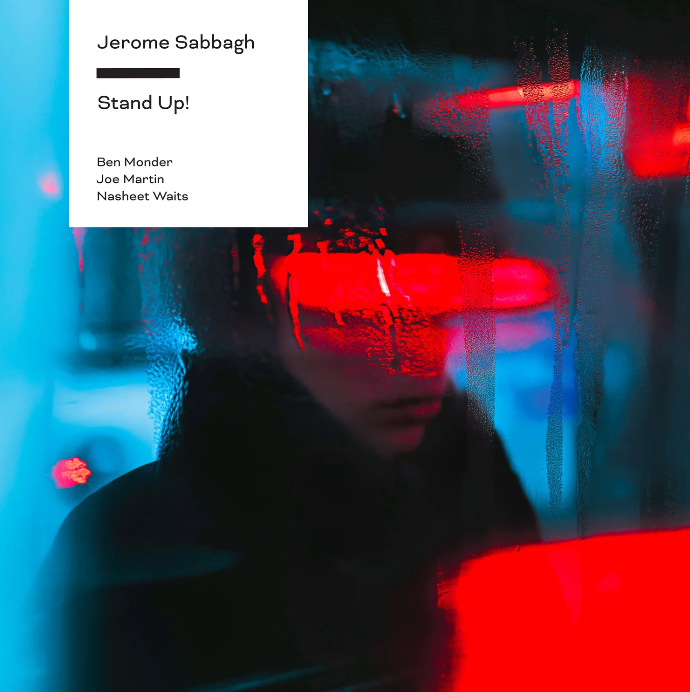
the jazz bureau curates limited-edition jazz LPs pressed in small quantities and supports independent jazz labels worldwide. Featured releases include ‘Drums & Friends’ by John Wadham with Louis Stewart at £12 and Stand Up in One Step edition 180 gram pressing. For UK collectors who want curated physical music rather than algorithmic recommendations, the jazz bureau offers a focused alternative to mass-market retail.
When is the worst time of year to buy jazz vinyl?
The worst time to buy jazz vinyl is November and December. Christmas jazz vinyl sees 200 to 400 percent price increases during the November to December selling season, led by Vince Guaraldi titles, according to Vinyl AI. UK collectors should buy in the quieter spring and summer months rather than competing with seasonal demand.
Auction competition and seasonal spikes affect originals far more than fixed-price limited reissues. A Tone Poet title stays at its retail price year-round. A clean original pressing of a Christmas jazz title can double or triple in the run-up to December. Timing purchases is a genuine cost-saving tactic, not just trivia.
What should you check before buying a limited jazz pressing?
Check the dead wax first. A genuine “RVG” stamp is hand-etched, not machine-stamped, according to Vinyl AI. Look for deep groove pressings and label address details. On Blue Note, the Liberty address indicates an earlier pressing than United Artists.
For Prestige New Jazz originals, look beyond the Van Gelder stamp. The New Jazz 8200 Series started with PRLP 8201, a Mal Waldron session recorded in January 1958, with around a hundred new recordings issued between 1958 and the end of 1963, according to London Jazz Collector. Kenny Dorham’s ‘Quiet Kenny’ (NJLP 8225) is the New Jazz label’s most collectable record, a useful benchmark for genuine rarity. Buy from sellers who document condition and provenance. For modern limited runs, buy direct from the label or a curated shop while stock lasts.
Key Takeaways
- Blue Note Liberty pressings have appreciated 180% since 2020, with top mint titles reaching $2,000 or more.
- Japanese jazz reissues offer 85 to 90 percent of original sound quality at 20 to 25 percent of the cost.
- The hand-etched “RVG” stamp in the dead wax is the key authenticity marker for Van Gelder-mastered pressings.
- Blue Note’s Tone Poet series offers all-analog, 180 gram audiophile reissues at $35 to $45 retail.
- Christmas jazz vinyl prices rise 200 to 400 percent in November and December, so buy in quieter months.
- Edition Records is a British independent jazz label with a global roster, proving limited pressings are still being made today.
- the jazz bureau stocks limited-edition jazz LPs pressed in small quantities, including ‘Drums & Friends’ by John Wadham with Louis Stewart at £12.
References
- Essential Jazz Vinyl Records Every Collector Needs: From Blue Note Classics to Modern Pressings — Updated July 24, 2026
- Edition Records – Independent Jazz Record Label — date unknown
- Collector’s Guide To The New Jazz Record Label — 2020-02-20
- Audiophile Jazz Vinyl Pressings: Exit to Vintage Street — date unknown
Trackbacks/Pingbacks